
Climate change is no longer a future threat; it has become one of the greatest challenges facing tourism management today. The key question is no longer whether it will affect tourist destinations, but how they can adapt to protect their heritage, strengthen their resilience, and remain competitive in an increasingly demanding environment.

Climate change is giving rise to a new paradigm that requires a fundamental rethinking of how tourism development is planned and managed. Sustainability can no longer be understood solely as a promotional tool or a point of differentiation, but as a management model focused on anticipating risks, strengthening destination resilience, and protecting the well-being of local communities.
In this context, destinations that place sustainability at the center of their strategy, align their actions with the United Nations Sustainable Development Goals (SDGs), and apply methodologies such as Biosphere Certified Destination have a stronger foundation for responding to the climate, environmental, social, and economic challenges that will shape the future of tourism.
Beyond adapting to an increasingly dynamic environment, these destinations have the opportunity to turn sustainability into a genuine competitive advantage. It is a way to protect their natural and cultural heritage, strengthen cooperation between public administrations and businesses, build greater trust among residents and visitors, and develop a tourism model that is more responsible, resilient, and better prepared to address the challenges of our time.
Ultimately, the future of tourist destinations will no longer depend solely on their ability to attract visitors, but on their ability to protect the destination, anticipate the impacts of climate change, and preserve what makes them unique. Because the true competitiveness of tomorrow’s tourism will begin with the decisions made today.

Tourist destinations are facing a reality that can no longer be addressed solely through promotion, attracting visitors, or enhancing the visitor experience. Climate change, increasing pressure on natural resources, biodiversity loss, extreme weather events, and the need to preserve the quality of life of local communities are fundamentally redefining the priorities of destination management.
We are entering a scenario in which sustainability is no longer a complementary element but one of the main pillars of strategic destination planning. Today, a sustainable destination is no longer defined solely by the quality of its tourism offering or the beauty of its landscapes, but also by its ability to anticipate risks, adapt to a changing environment, and generate shared value for residents, businesses, and visitors.
This transformation requires the adoption of new approaches to destination management. Climate resilience, governance, the conservation of natural and cultural heritage, resource efficiency, and collaboration among stakeholders are no longer sector-specific issues; they have become determining factors in tourism competitiveness.
In this context, sustainability is no longer merely a reputational attribute. It becomes a planning, adaptation, and resilience tool capable of guiding destination development toward more balanced, prepared, and responsible models.

A tourist destination is much more than a place that receives visitors. It is a living system where people, businesses, public administrations, ecosystems, infrastructure, cultural heritage, economic activities, and essential services coexist and interact continuously.
Every decision related to mobility, urban planning, water management, energy, waste, heritage conservation, or tourism promotion generates effects that extend beyond the tourism sector and influence the territory as a whole.
For this reason, speaking of “sustainable destinations” requires moving beyond a fragmented view of destination management. Isolated actions may produce short-term improvements, but they are unlikely to transform the model unless they are part of a shared strategy capable of coordinating public policies, business initiatives, and citizen participation.
Sustainability requires continuity, collaboration, and planning capable of turning broad objectives into concrete, measurable actions tailored to the specific realities of each destination.
Only through this integrated approach is it possible to build destinations capable of successfully addressing the environmental, social, and economic challenges that will shape tourism over the coming decades.

Forest fires, heat waves, water scarcity, soil erosion, the degradation of natural areas, and biodiversity loss can no longer be viewed solely as environmental issues.
Their consequences directly affect public safety, public health, employment, economic activity, the quality of life of local communities, and the overall image of tourist destinations.
In this new context, the capacity to adapt has become strategically important. Destinations no longer compete exclusively to attract visitors; they also compete to demonstrate that they can manage risks, protect their resources, and provide safe, resilient environments that are prepared to face increasingly complex scenarios.
The perception of safety, the conservation of natural heritage, the efficient use of water and energy, preparedness for extreme weather events, institutional coordination, and the engagement of the business community are becoming decisive factors in ensuring tourism competitiveness over the medium and long term.
All of this reinforces an increasingly evident reality. Adapting to climate change is no longer an optional consideration for tourist destinations; it is an essential condition for preserving their livability, their attractiveness, and their ability to generate well-being for present and future generations.

In light of this scenario, having a shared roadmap is essential. Sustainability must move beyond the realm of generic statements and become a true management system.
This means understanding the current situation of the destination, identifying its main challenges, setting priorities, defining realistic objectives, establishing indicators to measure progress, engaging all local stakeholders, and periodically reviewing the results achieved.
Planning is no longer focused solely on responding to problems as they arise. Instead, it incorporates a preventive approach capable of anticipating risks and strengthening the destination's resilience in the face of future challenges.
In this evolution, international frameworks such as the United Nations Sustainable Development Goals (SDGs), ESG (Environmental, Social, and Governance) criteria, and international climate action strategies for tourism provide common points of reference that help establish priorities and support decision-making.
They all share the same underlying principle: sustainability should not be understood as an isolated initiative or a project with a fixed end date, but as an ongoing process of continuous improvement that integrates environmental, social, economic, and governance dimensions into the day-to-day management of the destination.

In this new context, Biosphere Certified Destination has become a valuable tool for helping destinations structure, measure, and communicate their commitment to sustainable tourism, climate change adaptation, and territorial resilience. Its value lies not only in the recognition it provides, but, above all, in the continuous improvement process it promotes.
The methodology promoted by Biosphere and developed by the Responsible Tourism Institute (RTI) enables destinations to integrate sustainability into tourism and territorial planning, ensuring that strategic decisions are guided by objective, measurable criteria aligned with the United Nations Sustainable Development Goals (SDGs) and ESG (Environmental, Social, and Governance) criteria.
This approach is particularly relevant in a context where destinations must address increasingly complex challenges, such as preventing forest fires, managing water resources efficiently, conserving natural areas, promoting sustainable mobility, adapting to climate change, and coordinating the efforts of different municipal departments and the full range of public and private stakeholders.
Beyond the distinction itself, the Biosphere methodology helps transform sustainability into a permanent management system. It enables destinations to identify priorities, establish action plans, evaluate results, and periodically review progress so that continuous improvement becomes an integral part of day-to-day destination management.
Holding the Biosphere Certified Destination distinction also provides a clear point of reference for residents, visitors, businesses, and institutions. It is not about claiming that a destination has reached a definitive goal, but about demonstrating that it has a roadmap, a recognized methodology, and a verifiable commitment to advancing toward a tourism model that is increasingly responsible, resilient, and prepared to meet both present and future challenges.
Added to this is an increasingly important consideration. Tourist destinations must operate within a more demanding regulatory framework regarding environmental claims, responsible communication, and the use of sustainability-related terminology. In this context, having measurable indicators, documented evidence, and verifiable processes helps strengthen transparency, enhance institutional credibility, and respond both to evolving regulatory requirements and to the growing expectations of travelers, businesses, and investors.

The sustainability of a destination does not depend solely on the actions of public administrations. Real change occurs when the entire economic and social fabric moves in the same direction.
Accommodations, restaurants, retail businesses, travel agencies, adventure tourism companies, tour guides, cultural service providers, transportation companies, and many other local stakeholders are all part of the visitor experience and contribute every day to shaping the identity of the destination. For this reason, integrating the business community into the sustainability strategy is essential to building truly resilient destinations.
In this regard, the inclusion of Biosphere Certified companies expands the reach of the destination’s sustainability strategy and strengthens the connection between public management and the day-to-day commitment of the private sector.
Every company that measures its environmental performance, improves energy efficiency, optimizes water consumption, reduces waste generation, supports local suppliers, promotes quality employment, raises awareness among its customers, or participates in community initiatives contributes to strengthening the destination’s sustainable ecosystem.
Although many of these actions may seem modest when considered individually, their combined effect is extraordinarily significant. The cumulative impact of many small responsible decisions creates destinations that are more competitive, better prepared, and more capable of adapting to climate, economic, and social challenges.
Furthermore, when these practices are implemented within a common methodological framework, sustainability is no longer perceived as a collection of isolated initiatives but as a shared strategy embraced across the entire destination.
This integrated vision brings greater coherence to destination management, improves coordination among stakeholders, and supports the development of a tourism identity based on verifiable commitments and shared objectives.
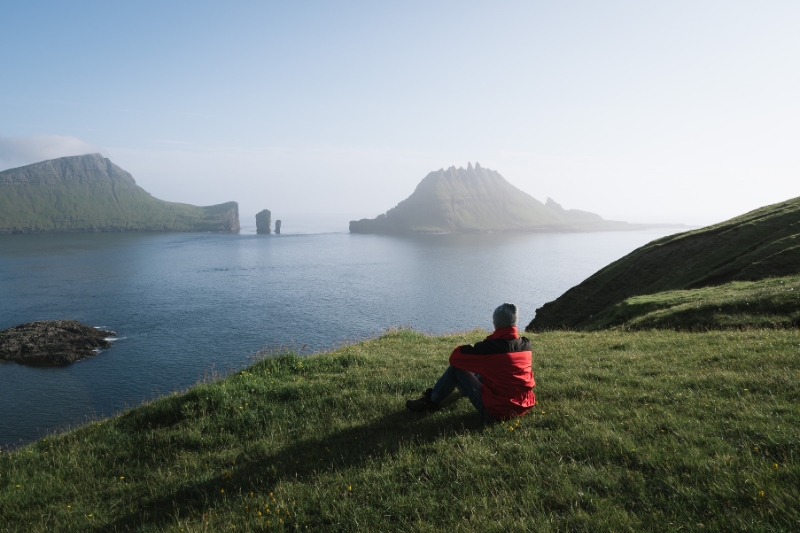
Travelers' growing awareness of sustainability is also transforming the way they choose destinations and tourism businesses.
More and more people want to understand the impact of their trips, how the destination’s resources are managed, and the extent of its genuine commitment to the local community. In this context, having clear points of reference helps consumers make more informed and responsible travel decisions.
Choosing businesses that hold the Biosphere Certified distinction within a destination recognized as Biosphere Certified Destination strengthens the connection between the visitor experience and the sustainable management of the destination.
Visitors can therefore understand that sustainability does not depend solely on a public administration or on an individual company, but rather reflects the coordinated efforts of an ecosystem made up of institutions, businesses, citizens, and civil society organizations that share a common vision for the future.
This consistency builds trust, strengthens the destination’s reputation, and fosters more transparent relationships between those who manage the destination and those who visit it.
At the same time, it enhances the destination’s competitiveness by responding to the growing demand for authentic, responsible experiences aligned with the principles of sustainable tourism.
In an international context characterized by stricter regulatory requirements, the need to support sustainability claims with evidence, and an increasingly informed public, having an ecosystem of committed businesses represents a strategic advantage for any destination seeking to establish a sustainable and resilient tourism model.

The transition toward a sustainable and resilient tourism model cannot be understood as the sum of individual initiatives. The new climate paradigm requires a different way of governing destinations, based on cooperation, shared planning, and shared responsibility among all the stakeholders that make up the destination.
No public administration, business, or institution can address challenges such as climate change, biodiversity loss, efficient water management, forest fire prevention, or the adaptation of infrastructure to increasingly extreme weather events on its own.
A destination’s resilience begins precisely there—in its ability to build lasting partnerships that enable stakeholders to share information, coordinate actions, and respond collectively to challenges that affect both tourism and the daily lives of the people who live in the destination.
In this context, governance takes on a strategic role. Public administrations, tourism businesses, citizens, universities, environmental organizations, research centers, emergency services, business associations, and civil society organizations are all called upon to participate in a more open, collaborative management model focused on shared objectives.
Sustainability therefore ceases to be the sole responsibility of a municipal department or tourism office and becomes a cross-cutting commitment involving the entire destination.
When this collaboration is firmly established, the destination enhances its ability to anticipate risks, optimize resources, coordinate investments, and develop more effective public policies tailored to its specific needs.

Adaptation to climate change does not begin when an emergency occurs. It begins much earlier by integrating prevention into the destination’s day-to-day planning.
Each destination has its own environmental, social, and economic characteristics. However, all destinations can move toward greater resilience by progressively implementing measures that reduce their vulnerability and strengthen their capacity to respond.
Rather than a collection of isolated actions, these measures are part of an integrated strategy that combines territorial planning, the conservation of natural heritage, efficient resource management, citizen engagement, and continuous improvement.
Preparing for a more complex climate scenario requires integrating climate risk into tourism planning.
Updating climate adaptation plans, identifying particularly vulnerable areas, incorporating risk maps related to wildfires, droughts, floods, erosion, and extreme heat events, and establishing priority actions enable territorial decisions to be guided by preventive rather than purely reactive criteria.
Planning also involves directing tourism growth toward models that are compatible with the destination’s carrying capacity, avoiding increased pressure on particularly sensitive ecosystems or limited natural resources.
This approach helps protect natural heritage, improve safety, and promote more balanced and resilient tourism development.
Wildfires represent one of the main climate change-related risks facing many tourist destinations.
Preventing them requires continuous action that combines landscape management, the conservation of natural areas, and coordination among public administrations, emergency services, and landowners.
Maintaining defensible buffer zones, improving access routes, properly managing forest biomass, restoring degraded areas, and establishing specific protocols for tourism activities during periods of high wildfire risk are among the measures that help reduce the destination’s vulnerability.
At the same time, these actions help preserve the landscapes that constitute one of the main tourism assets of many destinations.
Climate adaptation also requires making more efficient use of available resources.
Sustainable water management is becoming increasingly important in a context marked by more frequent droughts and growing pressure on water supply systems.
Likewise, moving toward more energy-efficient models, promoting the use of renewable energy, reducing consumption, advancing the circular economy, and minimizing waste generation help reduce both the environmental impact and the costs associated with tourism activities.
These measures simultaneously benefit the destination, local businesses, and the people who enjoy it.
Businesses play a decisive role in building more sustainable destinations.
Accommodations, restaurants, retail businesses, activity providers, travel agencies, and cultural services have tremendous potential to bring sustainability into the visitor’s everyday experience.
Promoting continuous improvement processes, providing specialized training, encouraging networks for sharing best practices, and supporting a growing number of businesses in achieving the Biosphere Certified distinction help strengthen the destination’s overall sustainability strategy.
Every committed business represents another building block in strengthening destination resilience and consolidating a tourism model based on shared responsibility.
Sustainability also depends on people’s involvement.
Clearly communicating the responsible use of water, respect for natural areas, proper waste management, and recommendations during periods of extreme heat helps prevent negative impacts and encourages more responsible behavior.
Awareness becomes especially important during peak tourism seasons, when pressure on beaches, hiking trails, protected areas, and historic districts reaches its highest levels.
At the same time, promoting environmental volunteer initiatives, ecosystem restoration projects, citizen science programs, and community engagement strengthens the connection between residents, visitors, and the destination, fostering greater awareness of the importance of preserving the resources that make tourism possible.
Experience shows that the best-prepared destinations are those capable of coordinating all relevant stakeholders.
Establishing permanent working groups, sharing information among public administrations and businesses, developing joint action protocols, evaluating results, and periodically reviewing action plans help build stronger and more effective governance.
This coordination improves the ability to respond to emergencies, optimizes the use of public and private resources, and ensures that sustainability becomes an integral part of everyday decision-making.
Destination resilience does not result from improvised actions. It is the outcome of consistent planning, long-term collaboration, and a shared commitment to building destinations capable of successfully addressing both present and future challenges.

La sostenibilidad aplicada a los destinos turísticos no consiste únicamente en reducir impactos ambientales o mejorar determinados indicadores. Su verdadero valor reside en proteger aquello que hace único a cada territorio y en garantizar que esa singularidad pueda seguir disfrutándose en el futuro.
Paisajes, biodiversidad, patrimonio cultural, identidad local, tradiciones, gastronomía, recursos naturales, tejido empresarial y calidad de vida forman parte de un mismo patrimonio colectivo. Todos ellos constituyen el principal activo de un destino y, al mismo tiempo, el recurso más valioso sobre el que se construye su competitividad turística.
Cuidar el territorio significa también cuidar a quienes lo habitan. Un destino sostenible es aquel que consigue equilibrar la actividad turística con las necesidades de la población local, preservando sus recursos, fortaleciendo su economía y favoreciendo un desarrollo que genere bienestar compartido.
En un escenario marcado por el cambio climático, la creciente presión sobre los ecosistemas y una ciudadanía cada vez más sensibilizada, esta visión adquiere una importancia estratégica. Los territorios que sean capaces de integrar la sostenibilidad en su modelo de gestión estarán mejor preparados para afrontar situaciones de incertidumbre, responder a nuevas exigencias regulatorias y mantener la confianza tanto de residentes como de visitantes.
Por el contrario, aquellos modelos que continúen basándose exclusivamente en el crecimiento cuantitativo difícilmente podrán responder a los desafíos que ya están redefiniendo el turismo a escala global.

For many years, tourism competitiveness was primarily associated with the ability to attract visitors, expand infrastructure, or diversify the tourism offering. Today, however, the context has changed profoundly.
Resilience has become one of the key indicators of a destination’s quality. The ability to manage water efficiently, conserve natural areas, adapt to extreme weather events, protect biodiversity, coordinate the various stakeholders across the destination, and ensure the safety of residents and visitors represents an increasingly important competitive advantage.
As a result, sustainability is no longer viewed as an added cost, but as a strategic investment.
And investing in sustainability means protecting the most valuable asset of any destination: the destination itself.
In this regard, destinations that work with structured methodologies, incorporate continuous improvement processes, and periodically assess their progress not only improve their environmental and social performance, but also strengthen their ability to build trust, attract investment, and consolidate a more stable and future-ready tourism model.

El turismo afronta una de las mayores transformaciones de su historia.
El cambio climático, la protección de la biodiversidad, la gestión responsable de los recursos, la creciente demanda de transparencia y la necesidad de generar beneficios reales para las comunidades locales están redefiniendo la manera de planificar los destinos.
Ante este nuevo escenario, avanzar hacia modelos turísticos más sostenibles ya no constituye una opción estratégica reservada a unos pocos territorios especialmente sensibilizados. Representa una necesidad compartida para todos aquellos destinos que aspiran a mantener su competitividad, proteger su patrimonio y garantizar su desarrollo a largo plazo.
Los grandes desafíos del turismo no podrán resolverse desde actuaciones aisladas. Requerirán planificación, cooperación, innovación y una visión compartida entre administraciones, empresas, comunidad científica, ciudadanía y visitantes.
Solo desde esa colaboración será posible construir territorios más preparados, más resilientes y capaces de responder a un contexto global cada vez más complejo.
Porque el futuro del turismo dependerá, en gran medida, de nuestra capacidad para cuidar aquello que hace únicos a los destinos antes de que sea demasiado tarde.
Y esa es, precisamente, la esencia de la sostenibilidad. No consiste únicamente en conservar el presente, sino en crear las condiciones necesarias para que las generaciones futuras puedan seguir disfrutando de los paisajes, las culturas, la biodiversidad y las comunidades que hoy dan sentido a la experiencia de viajar.
En un mundo donde la incertidumbre climática marcará cada vez más las decisiones territoriales, los destinos que lideren el futuro no serán necesariamente los que más crezcan, sino aquellos que mejor sepan adaptarse, colaborar y proteger aquello que constituye su mayor riqueza.
Porque un destino verdaderamente sostenible no se define únicamente por el número de visitantes que recibe, sino por su capacidad para preservar el territorio, generar bienestar para quienes lo habitan y seguir ofreciendo experiencias auténticas sin comprometer los recursos que harán posible el turismo del mañana.