
The 3rd World Summit on Responsible Wine Tourism, held in Alentejo, brought together destinations, companies, and institutions to analyze the future of wine tourism, tourism sustainability, and territorial development. With the participation of Biosphere, the event reinforced the importance of certification, measurement, and international collaboration to promote more responsible, competitive, and sustainable wine tourism.
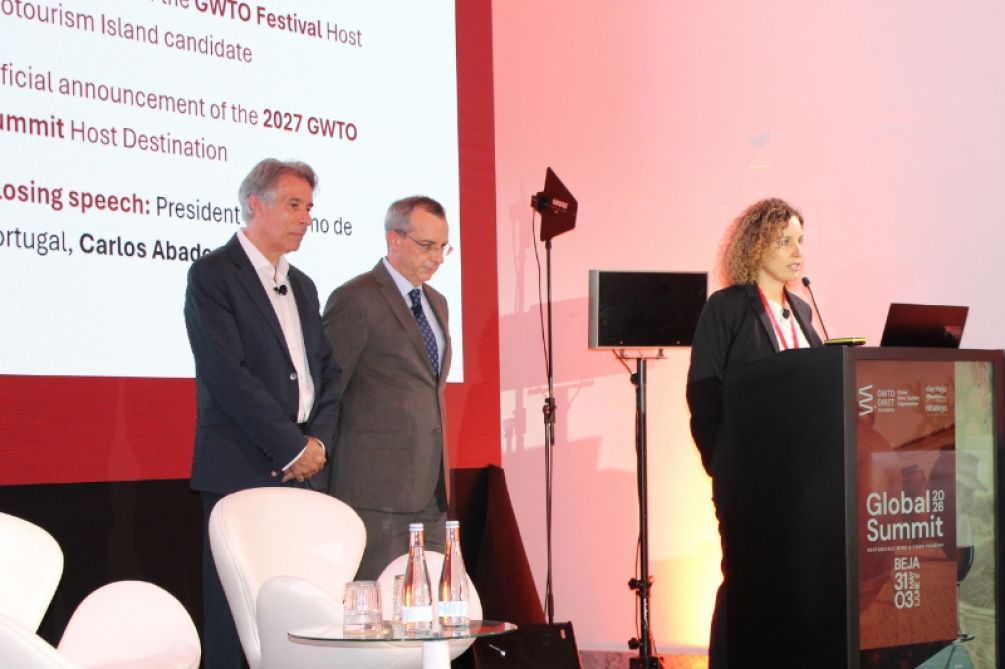
Beja, in the Alentejo region, hosted the 3rd GWTO-OMET World Summit on Responsible Wine Tourism, an international event dedicated to analyzing the present and future of responsible wine tourism, tourism sustainability, and wine-related territorial development.
Held within the framework of Baixo Alentejo European Wine City 2026, the summit brought together institutions, experts, companies, destinations, and professionals from tourism, wine, and gastronomy to share knowledge, build partnerships, and reflect on the role of wine tourism as a tool for sustainability, innovation, and cultural value enhancement.
The participation of Biosphere and the Responsible Tourism Institute (RTI) reinforced the importance of advancing toward certification, measurement, and verification models that help wine tourism destinations and companies transparently demonstrate their commitment to the 17 United Nations Sustainable Development Goals (SDGs) and ESG criteria (environmental, social, and governance).
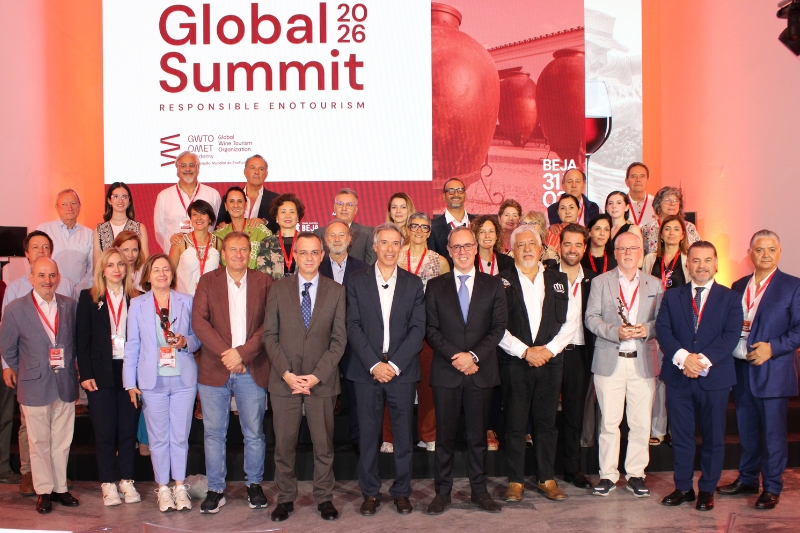
During the first week of June 2026, Beja and the Alentejo region in Portugal became an international meeting point for dialogue, cooperation, and the creation of new opportunities around responsible wine tourism.
Following the editions held in Punta del Este, Maldonado department (Uruguay), and in Yantai, Shandong province (China), this third edition consolidated the global vocation of GWTO-OMET as a leading platform for wine and gastronomy tourism.
The event highlighted the growing relevance of responsible wine tourism as a driver of territorial development, cultural promotion, and sustainability. In this context, wine was presented not only as a product, but also as an expression of history, landscape, local identity, and an opportunity to promote more balanced tourism models.
The international dimension of the summit was reflected in the participation of destinations and projects from different continents, as well as the notable presence of Ningxia, an autonomous region of the People’s Republic of China, and the province of Shandong, through its prefecture-level city of Yantai. This diversity reinforced the global nature of the debate on the future of wine tourism and served as a transition toward one of the key themes of the event: the capacity of responsible wine tourism to generate sustainable development in both established and emerging territories.

One of the main messages of the summit was the need to promote a wine tourism model capable of growing and competing without losing the authenticity of the territory. Tourism sustainability, applied to wine tourism, is not limited to the environmental dimension, but also includes social, economic, cultural, and governance challenges.
From this territorial perspective, the different sessions addressed highly relevant issues such as the commercialization of wine tourism products, the promotion of wine-producing territories, data monitoring, technological innovation, professional training, tourism governance, and the creation of more personalized, immersive experiences connected to local communities.
The shared reflection during the meeting emphasized that a a wine tourism destination cannot be built solely for those who visit it. It must also integrate those who live in it, work in it, and recognize it as their own. Therefore, responsible wine tourism is presented as a pathway to generate shared value, strengthen local identity, and promote more resilient tourism development.
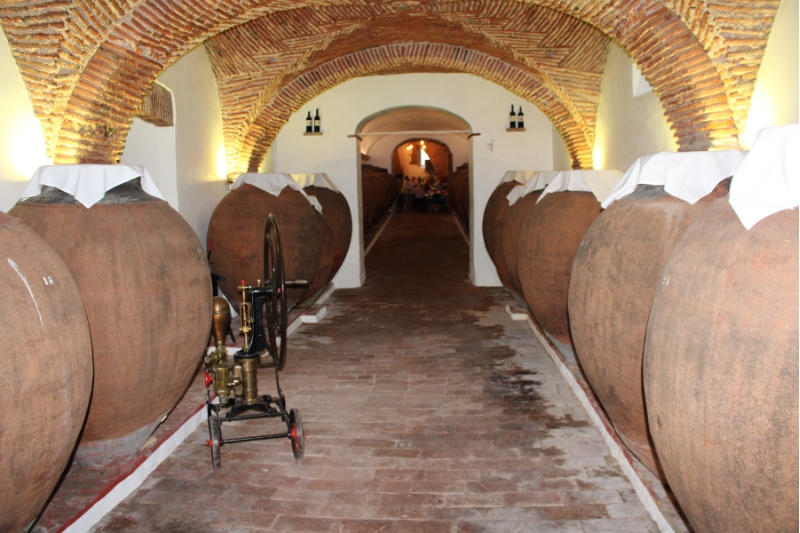
Digitalization was another of the main pillars of the 3rd World Summit on Responsible Wine Tourism.
Technology is transforming the way travelers discover, book, and experience wine tourism, while also enabling destinations and companies to improve management, guide strategic decisions, and better understand visitor behavior.
The University of Évora presented a digital platform designed to monitor wine tourism and generate useful knowledge for the sector. This initiative aims to validate indicators, analyze visitor profiles, and develop tools that allow for more precise decision-making in an increasingly specialized industry.
To achieve this, the University of Évora relies on Oblivion, the supercomputer at its High Performance Computing Center, a technological infrastructure that demonstrates how data and innovation can contribute to more measurable, intelligent wine tourism aligned with the current challenges of tourism sustainability.
This technological perspective also connected with evolving markets and new traveler expectations. Personalized and immersive experiences, linked to culture, gastronomy, landscape, and local traditions, are becoming a key trend for the future of wine tourism and for the competitiveness of wine destinations.
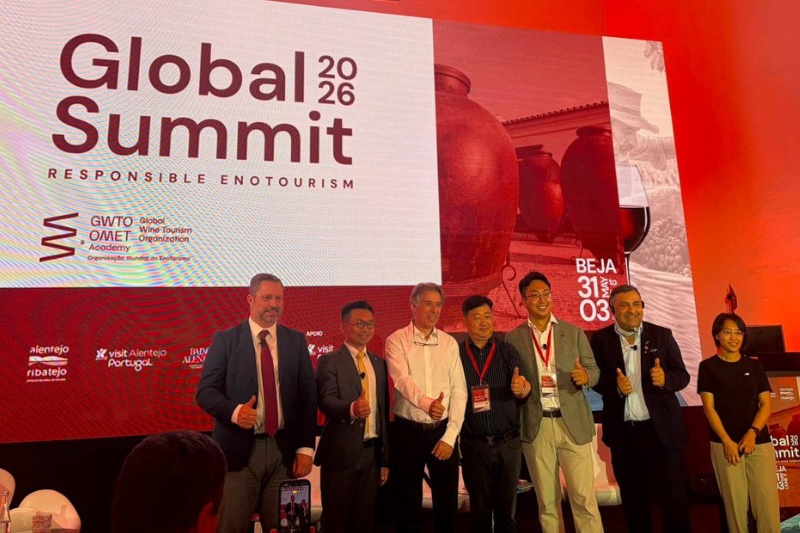
The participation of projects from China broadened the perspective on the role of emerging destinations in the global wine tourism landscape. The cases of Dulaan Wine Village, in Ningxia, and Château Longting, in Yantai, showed how wine tourism can become a tool for territorial transformation, innovation, and international projection.
In recent years, China has strengthened its position as one of the markets with the greatest potential in wine tourism, not only due to the growth of its wine industry but also because of the ability of certain territories to connect wine production with landscape, culture, innovation, and tourism investment.
In this sense, China’s participation provided a particularly relevant perspective, emphasizing that the future of wine tourism will become increasingly global, diverse, and interconnected.
The integration of cultural experiences, innovative business models, tourism infrastructure, and sustainability strategies allows these territories to position themselves in new markets and attract travelers interested in authentic, place-based experiences.
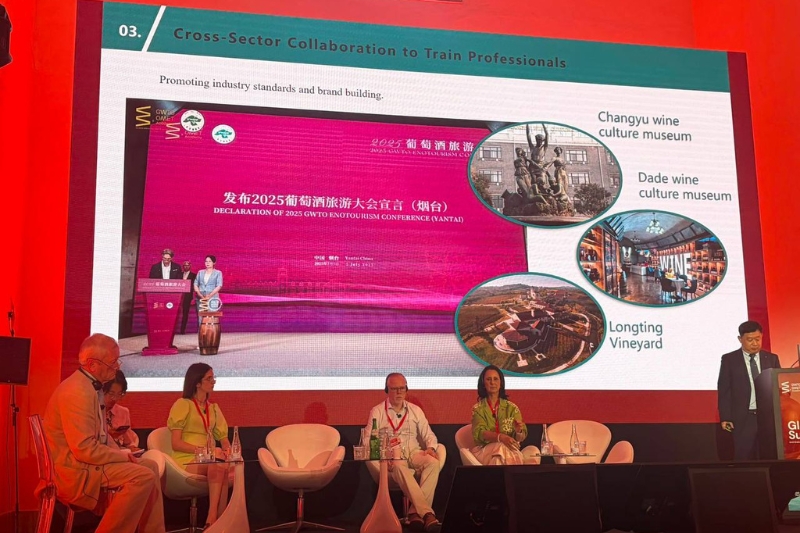
Presented by Zheng Zifeng, president of Dulaan Wine Village, this project is developed at the foot of the Helan Mountains, in the Ningxia wine region. Its proposal integrates wine production, tourist accommodation, gastronomy, training, innovation, and business development within a single ecosystem oriented toward excellence and sustainability.
Dulaan Wine Village reflects a vision of responsible wine tourism in which wine acts as a driver of economic, social, cultural, and environmental development. Its model demonstrates how a destination can generate opportunities for the local community, attract investment, support independent producers, and create authentic experiences connected to the territory.
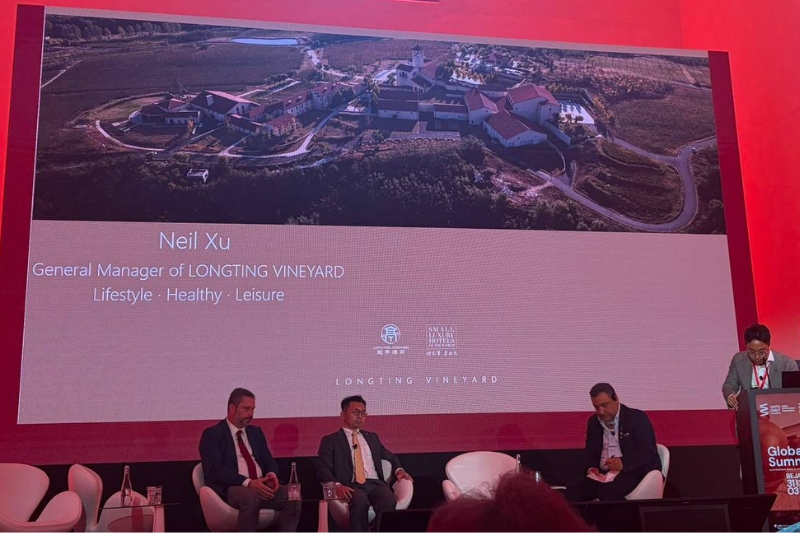
The presentation by Xu Neil, general manager of Château Longting, located in Yantai, a prefecture-level city in China’s Shandong province, provided insight into a proposal that integrates wine, well-being, leisure, gastronomy, boutique accommodation, and immersive experiences.
Château Longting represents a new generation of wine tourism destinations where winemaking excellence is combined with respect for nature, territorial identity, and the creation of memorable experiences. Its case demonstrates how sustainability, well-being, and authenticity are redefining wine tourism in Asia and across the global market.
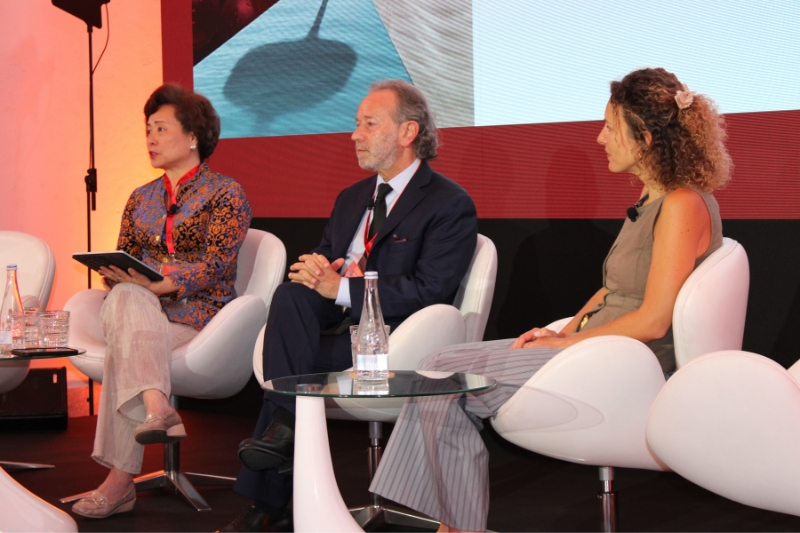
The presence of Biosphere and the Responsible Tourism Institute (RTI) at this event was marked by their participation in the “Enotourism Tech” panel, a space dedicated to exploring how technology, data, commercialization, and recognition can contribute to the development of responsible, competitive, and sustainable wine tourism.
In this context, Cristina Rocha, operations director of Biosphere, presented the Biosphere Certified distinction as an international recognition tool aimed at entities operating in the field of wine tourism, the wine sector, and the wine industry, including wineries, vineyards, tasting rooms, wine routes, specialized agencies, destinations, and other organizations linked to this value chain.
In this sense, the certification helps accredited entities move from words to action and contribute in a tangible way to a more balanced development model in the field of wine tourism. Its methodology makes it possible to verify that certified entities align their operations with the United Nations Sustainable Development Goals (SDGs) and ESG criteria.
Likewise, the certification process is managed entirely online and is based on a system of continuous improvement. Through our online platform, each entity can generate a personalized sustainability plan and gradually compile evidence of its sustainable practices, including actions related, for example, to waste management, energy efficiency, environmental protection, the local community, and responsible governance.
As a continuation of this process, the annual subscription includes an independent third-party audit and up to three verification attempts per year. Once the requirements are met, the entity obtains the certification, a public profile, and a recognized distinction that it can display on its communication channels.
In this way, the Biosphere system helps wine tourism organizations strengthen their sustainability strategy, improve accountability, and make their commitment visible to visitors, partners, administrations, and stakeholders.
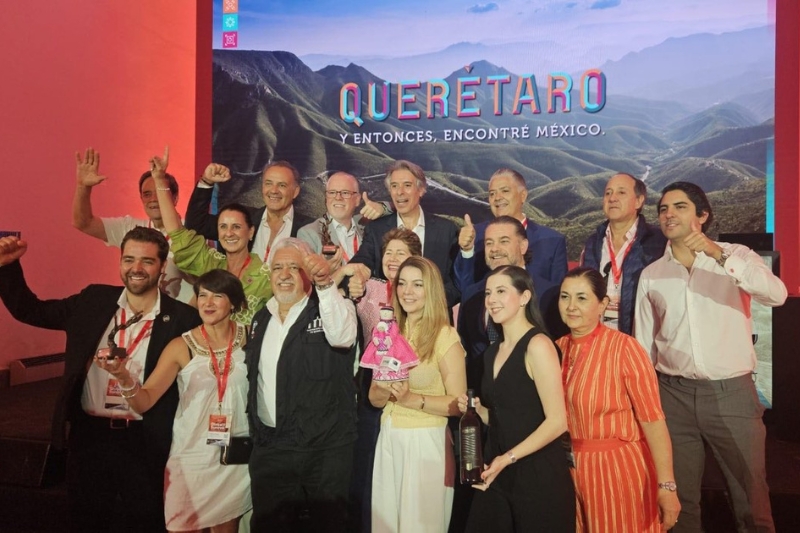
The summit also announced that the State of Querétaro, in Mexico, will be the next host of the OMET World Wine Tourism Congress 2027. This designation will place Querétaro at the center of the international conversation on wine, tourism, innovation, and sustainability, consolidating its position as one of the most dynamic wine tourism destinations in Latin America and as one of the leading regions for wine tourism in Mexico.
With a proposal that combines wine culture, gastronomy, historical heritage, natural landscapes, and local identity, Querétaro reflects how wine tourism can become a driver of territorial value, economic dynamism, and international projection. Its Art, Cheese, and Wine Route connects vineyards, wineries, artisan cheese producers, heritage towns, and gastronomic experiences, strengthening the relationship between local products, landscape, and tourism culture.
The strength of Querétaro’s wine sector is also reflected in its ability to attract visitors, develop projects, and generate economic activity around wine. Various specialized sources place Querétaro among the main wine tourism destinations in Mexico, with an offering composed of vineyards, wineries, cultural experiences, and increasingly diversified gastronomic proposals.
This strength is complemented by the role of municipalities such as Tequisquiapan, Ezequiel Montes, Colón, San Juan del Río, Cadereyta, and El Marqués, which have contributed to consolidating a network of vineyards, wineries, and tourism services linked to wine.
Its proximity to major outbound markets, the presence of culturally attractive towns, its specialization in sparkling wine, and its complementarity with cheese production make Querétaro a particularly relevant territory for analyzing the future of responsible wine tourism.
The hosting of OMET 2027 will make it possible to continue promoting a global dialogue around destinations that are committed to quality, sustainability, and collaboration.
In this sense, Querétaro represents a case of special interest due to its ability to connect the wine industry, territorial identity, tourism innovation, and economic development from a perspective increasingly oriented toward sustainability.
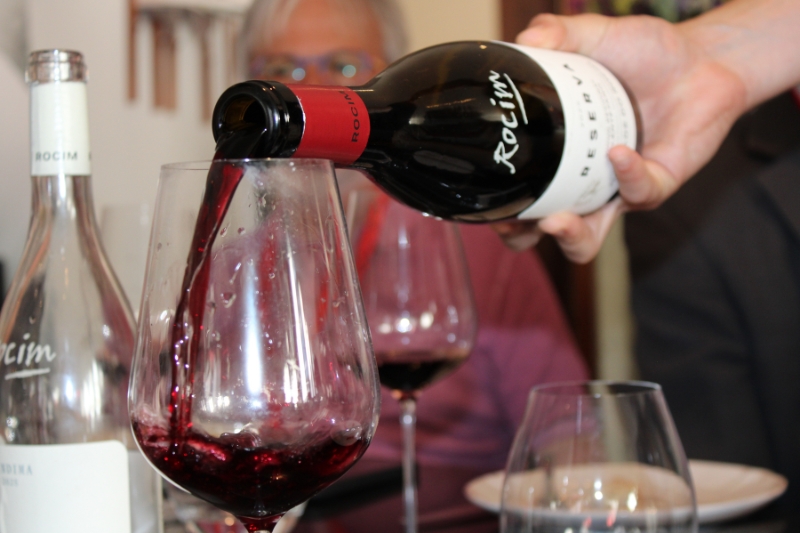
The 3rd World Summit on Responsible Wine Tourism put forward an idea worth reflecting on. We are referring to the fact that the future of wine tourism will depend on the ability of destinations and companies to integrate sustainability, innovation, governance, technology, and territorial authenticity into a shared strategy.
Responsible wine tourism is thus consolidating itself as a pathway to transform territories, generate shared value, and respond to the expectations of increasingly conscious travelers. In this scenario, certification, verification, and data play a fundamental role in communicating sustainability with rigor and avoiding generic statements that are difficult to substantiate.
At Biosphere, this vision aligns with the conviction that tourism should not be measured solely by its ability to attract visitors, but also by its real contribution to people, communities, and territories. Today, wine is no longer just a product; it is culture, landscape, identity, and sustainable development.
From this perspective, the 3rd World Summit on Responsible Wine Tourism deserves special recognition for its organizers, partner entities, speakers, and participants, whose work has helped highlight the role of responsible and sustainable wine tourism as a driver of growth, shared prosperity, and balanced development for wine-producing regions.
The event held in Alentejo confirms that wine tourism can be much more than an experience linked to landscape, gastronomy, or local culture. When properly planned and managed according to sustainability criteria, wine tourism can become a tool to stimulate local economies, strengthen communities, protect heritage, and generate new opportunities for collaboration among destinations, companies, and institutions.
With an eye on the next edition in Querétaro, Mexico, OMET 2027 is presented as a new opportunity to continue expanding this international dialogue and to further promote a model of responsible, innovative, and sustainable wine tourism, capable of connecting territories, inspiring partnerships, and contributing to more inclusive and lasting prosperity.
Photos: Alentejo 2026 GWTO Summit