
Northern British Columbia has renewed its Biosphere Destination certification after successfully passing the sustainability audit. This sustainable destination in Canada reinforces its commitment to responsible tourism, the conservation of the natural environment, and the Sustainable Development Goals, consolidating a tourism model based on authenticity, local communities, and the protection of natural and cultural heritage.
Northern British Columbia has once again renewed the Biosphere Certified Destination distinction, reaffirming its commitment to more sustainable tourism, the protection of the natural environment, and the development of a responsible tourism model aligned with the United Nations Sustainable Development Goals (SDGs).
The renewal of this international certification, granted by the Responsible Tourism Institute (RTI), follows the successful completion of an evaluation audit that verifies the proper implementation of sustainable practices in the destination. This recognition consolidates Northern British Columbia as one of the leading international benchmarks in sustainable destinations and highlights the coordinated work of institutions, tourism operators, local communities, and companies committed to more conscious and regenerative tourism.
From Biosphere, we extend our congratulations to the entire team that drives and manages Northern British Columbia Biosphere Destination, as well as to the community that actively participates in this collective project of continuous improvement in sustainability.
In northern British Columbia, Canada, sustainability is not a trend, but a way of understanding the territory and its relationship with the environment. This vast Canadian region, which covers more than half of the province, has established itself as a benchmark for those seeking authentic experiences linked to slow travel, well-being, and responsible contact with nature.
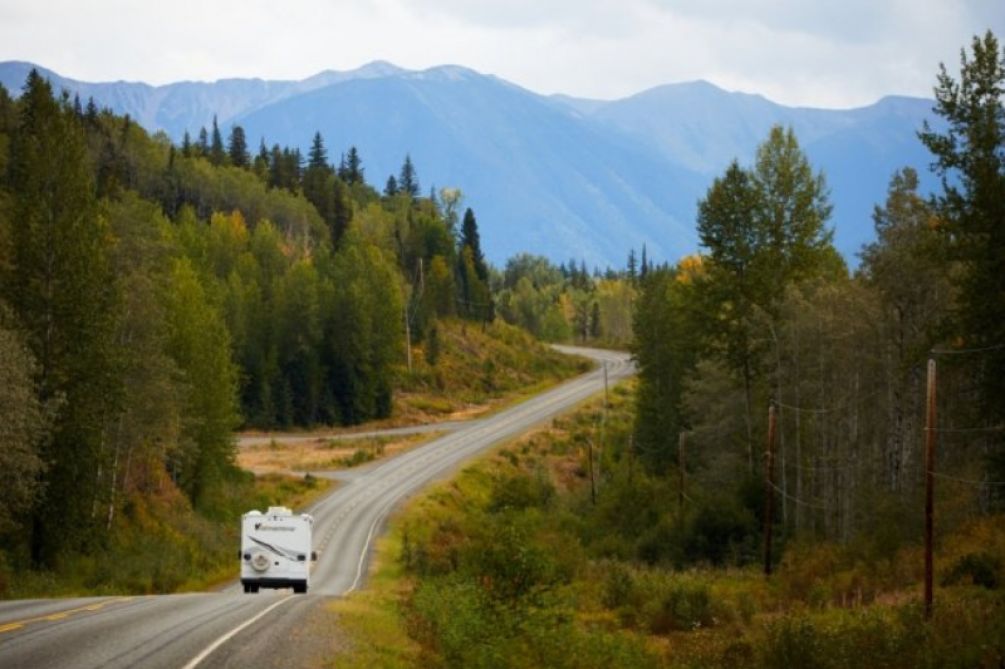
Iconic routes such as the Alaska Highway or the Stewart-Cassiar Highway invite travelers to discover landscapes of ancient forests, glaciers, and crystal-clear rivers from a slower and more conscious perspective. This sustainable travel approach fosters a deeper connection with the territory and promotes a low environmental impact tourism model.
The renewal of the Biosphere Certified Destination distinction recognizes precisely this commitment to balanced tourism management, where the conservation of natural heritage and the well-being of local communities are essential parts of the destination’s strategy.
One of the key symbols of sustainability in Northern British Columbia is the Great Bear Rainforest, considered one of the most important coastal temperate forests on the planet. This unique ecosystem has become an international example of conservation and responsible tourism management.
Ecotourism activities, such as photographic safaris or wildlife observation—including the iconic Spirit Bear—are carried out under strict sustainability criteria and minimal environmental impact. As a result, tourism directly contributes to financing conservation projects and protecting the region’s biodiversity.
This model demonstrates how sustainable tourism can generate balanced economic, social, and environmental benefits, strengthening territorial resilience and ensuring the preservation of ecosystems for future generations.
The human and cultural dimension is another key pillar defining Northern British Columbia as a sustainable destination. The region is the ancestral territory of the First Nations, including the Haida, Gitxsan, and Nisga’a communities, whose traditional knowledge and respect for nature are fundamental to the tourism experience.
In places such as Haida Gwaii, Indigenous communities lead sustainable cultural tourism initiatives that promote learning, heritage preservation, and the strengthening of the local economy. Eco-lodges managed by the communities themselves, local gastronomy, and cultural experiences linked to art and tradition allow visitors to connect with a tourism model based on respect and authenticity.
This approach contributes to a more inclusive and participatory tourism development model, aligned with the SDGs and the transition toward regenerative tourism.
The renewal of the Biosphere Certified Destination distinction brings significant benefits for the region and all stakeholders involved in its sustainable tourism development.
Among them are:
From Biosphere, we encourage more companies, accommodations, tourism operators, and organizations in Northern British Columbia to take the step toward achieving the Biosphere Certified distinction (for companies) and becoming active members of this international network committed to sustainability.
The incorporation of new organizations strengthens the territory’s competitiveness, improves its international positioning, and responds to the growing demand from travelers who prioritize responsible, sustainable experiences aligned with environmental and social values.
Each new member represents another step toward a tourism model capable of generating a real positive impact on people, communities, and the planet.
The renewal of the Biosphere Destination certification confirms Northern British Columbia’s leadership in building a more resilient, respectful tourism model connected with nature and people.
From Biosphere and the Responsible Tourism Institute (RTI), we once again congratulate the destination’s management team on this important achievement and for continuing to move toward a model of tourism that understands sustainability not as a goal, but as an ongoing commitment to the future.