
The Transboundary Iberian Plateau Biosphere Reserve has renewed its Biosphere Certified Destination certification, reaffirming its commitment to tourism sustainability, cross border cooperation, and the Sustainable Development Goals (SDGs).
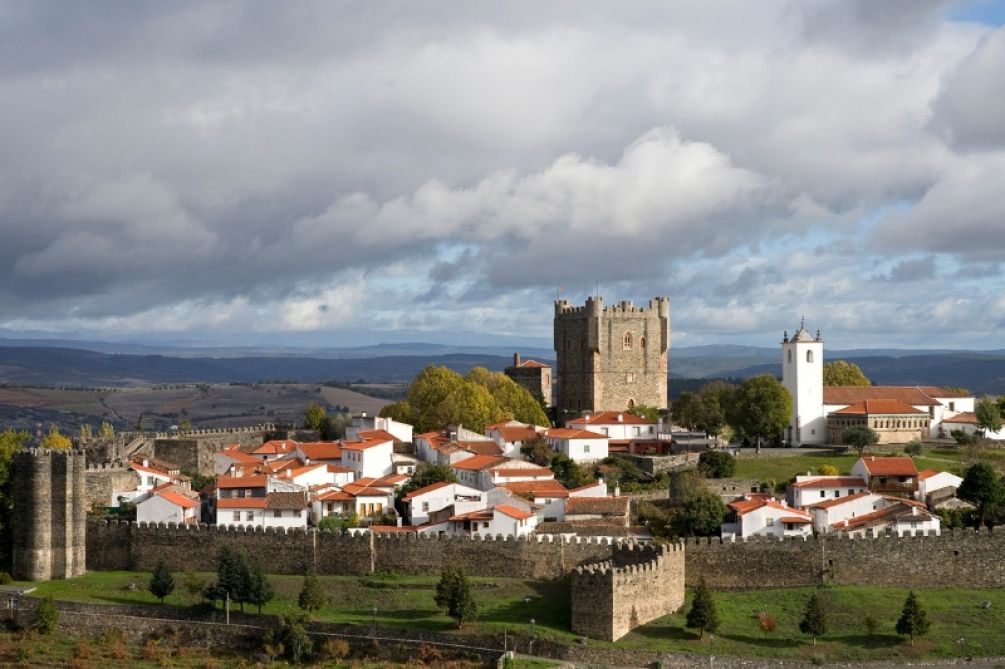
The Transboundary Iberian Plateau Biosphere Reserve has renewed its Biosphere Certified Destination certification, awarded by the Responsible Tourism Institute (RTI), thereby consolidating its position as one of the territories most committed to sustainable tourism and responsible development on both sides of the border between Spain and Portugal.
This renewal comes after successfully passing the annual audit that verifies the proper implementation of sustainable practices, ensuring that the entity continues to meet its commitments and advance in the application of the United Nations Sustainable Development Goals (SDGs).
The Transboundary Iberian Plateau Biosphere Reserve covers a total of 87 municipalities—12 in Portugal and 75 in Spain—with an area of more than 1.1 million hectares, making it the largest transboundary biosphere reserve in Europe.
From the mountains of Sanabria to the banks of the Duero River, this territory integrates a great diversity of natural, cultural, and scenic landscapes that make it a true mosaic of life. Here, stone canyons carved by the river over millennia coexist with dehesas, heathlands, traditional villages, and a night sky that invites astrotourism and contemplation.
Declared a Biosphere Reserve by UNESCO, it represents a model of balance between biodiversity conservation and the development of local communities, where sustainable tourism is understood as a tool to protect the environment and improve the quality of life of its inhabitants.
The Biosphere Certified Destination certification is granted to territories that meet demanding standards in environmental management, social inclusion, governance, cultural heritage protection, and local economic development.
The Responsible Tourism Institute (RTI), in collaboration with SDSN‑Spain (REDS), has developed the Biosphere Sustainable methodology, which allows tourism destinations to measure and evaluate their contribution to the SDGs through a set of indicators and concrete actions.
This management system enables territorial and tourism managers to collect data, monitor results, and design annual action plans that drive continuous improvement in areas such as the circular economy, energy efficiency, biodiversity conservation, innovation, and transparency.
In this territory, sustainability is not an option—it is a way of life. Here, responsible tourism translates into experiences that highlight nature and local identity.
From hiking or cycling routes through canyons to birdwatching raptors in the Arribes del Duero and Douro International, to visiting stone villages where tradition remains alive. Travelers also have the opportunity to discover a cuisine that embraces local products and the nearby economy.
Traveling through the Iberian Plateau is also an act of awareness: choosing operators with intent, consuming responsibly, and experiencing the territory with respect. It is discovering that sustainability does not diminish the experience but enriches it.
The Transboundary Iberian Plateau Biosphere Reserve project shows how cooperation among administrations, local communities, and tourism entities can generate a sustainable model with long‑term impact.
Through this certification, the territory reinforces its role as an international reference for responsible tourism and conservation, and it is established as a space where nature, culture, and development coexist in harmony.
From Biosphere, we want to congratulate the entire team of the Transboundary Iberian Plateau Biosphere Reserve for its constant work and its commitment to continuous sustainability improvement. Their effort shows that traveling responsibly is possible and that the future of tourism lies in destinations that, like this one, integrate sustainability as a core of identity and management.